Introduction
In the world of emergency situation medical care, public gain access to defibrillators (PADs) have emerged as crucial life-saving tools. They are designed to be utilized by laymans in instances of sudden heart attack (SCA), bridging the void in between the moment a specific collapses and when expert medical assistance shows up. This short article looks into the crucial role that public defibrillators play in emergency situation action situations, exploring their capability, efficiency, and the relevance of community participation in emergency situation preparedness.
The Duty of Public Defibrillators in Emergency Situation Response
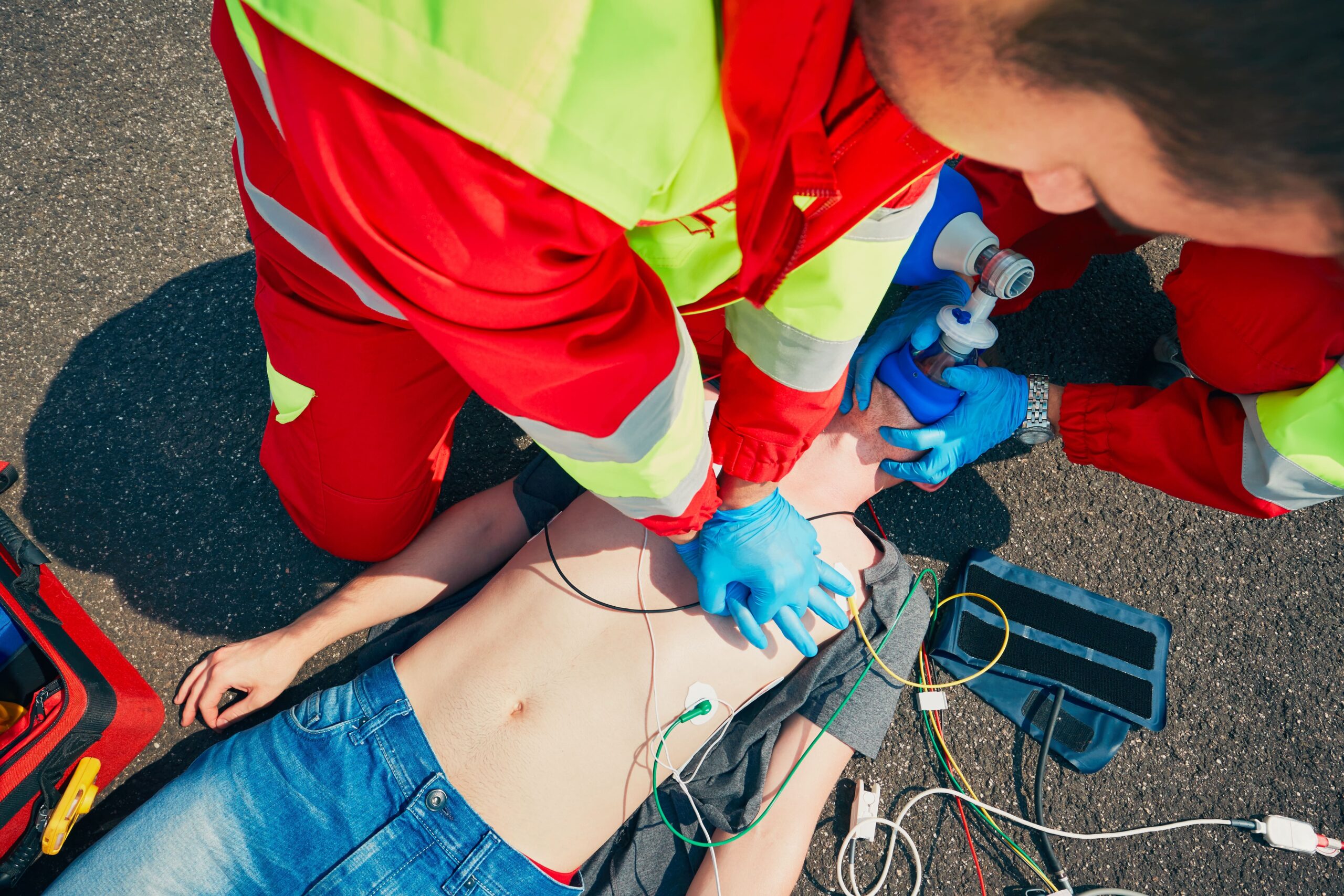
Public defibrillators function as a crucial component of emergency feedback systems. When someone experiences SCA, every second counts. The prompt use a defibrillator can significantly boost survival prices. These gadgets assess the heart's rhythm and supply an electric shock if required to recover a typical heartbeat.
Understanding Sudden Heart Arrest
Sudden cardiac arrest takes place unexpectedly and is commonly caused by arrhythmias-- irregular heartbeats that stop effective blood circulation. In such instances, quick treatment is crucial. Public defibrillators are designed for ease of usage, allowing also those without substantial clinical training to operate them effectively during emergencies.
How Do Public Defibrillators Work?
Public defibrillators are furnished with voice prompts and aesthetic directions that assist users with the process. Upon opening the tool, it immediately analyzes the individual's heart rhythm hltaid012 first aid course near me and determines whether a shock is required.
Assessment: The device evaluates the casualty's heart rhythm. Shock Delivery: If needed, it advises the user to supply a shock. Post-Shock CPR: After carrying out a shock, individuals are prompted to proceed with CPR up until emergency situation services arrive.
Basic vs Advanced Life Support
The dispute between basic life support (BLS) and progressed life assistance (ALS) is crucial when going over public health campaigns including defibrillators. While BLS focuses on instant activities like mouth-to-mouth resuscitation and utilizing a public defibrillator, ALS includes a lot more intricate treatments carried out by qualified health care professionals.
- Basic Life Assistance (BLS): This includes checking responsiveness, identifying no breathing, and keeping calmness while executing CPR. Advanced Life Assistance (ALS): This includes medicines and advanced respiratory tract monitoring techniques used by paramedics or health center staff.
Importance of BLS Certification
Obtaining a BLS qualification can encourage individuals within communities to react efficiently during emergencies involving cardiac arrest. Training concentrates on:
- Checking responsiveness Identifying no breathing Taking turns on compressions Using public defibrillators correctly
BLS accreditation furnishes lay rescuers with confidence and understanding to act promptly when lives go to stake.
Implementing Public Defibrillator Programs
Establishing programs that supply accessibility to public defibrillators calls for careful planning and execution.

Identifying High-Risk Locations for SCA
To maximize influence, communities must identify locations with higher occurrences of heart events-- such as sports venues, colleges, shopping centers, and work environments-- and tactically area PADs there.
Community Training Initiatives
Training sessions must be organized regularly to show neighborhood members exactly how to check responsiveness, determine no breathing conditions, do mouth-to-mouth resuscitation correctly, and make use of public defibrillator gadgets efficiently.
Maintenance Procedures for AEDs
Regular maintenance checks should be applied for all deployed AEDs to guarantee they stay useful. Neighborhood organizations must take duty for regular evaluations according to well established health center codes and protocols.
childcare first aid course blendedLegal Factors to consider Bordering Defibrillator Use
Understanding Good Samaritan regulations is vital for laymans that might be reluctant to aid due to be afraid of legal consequences. Most jurisdictions protect individuals that assist in emergencies from liability as long as they act in great faith.
Overcoming Barriers to Use
Fear or hesitance can protect against individuals from using public defibrillators successfully. Neighborhood understanding campaigns can help relieve problems concerning utilizing these tools during emergencies.
Success Stories: Lives Conserved Through Public Defibrillator Use
Across different regions worldwide, countless stories highlight just how prompt access to public defibrillators has actually conserved lives.
- Case Research study 1: A middle-aged guy collapsed at a local fitness center where an AED was conveniently available; thanks to motivate action from gym-goers learnt BLS certification programs, he was revived prior to expert help arrived. Case Study 2: At a jampacked sporting activities event, a guest experienced SCA; thanks to neighboring spectators aware of checking casualty's breathing and utilizing the AED successfully, his life was conserved in under 5 minutes.
Challenges Dealing with Public Gain access to Defibrillator Programs
While there are various advantages connected with public access defibrillator programs, challenges do exist:
Funding Shortfalls for Implementation
Securing funding for acquiring and keeping AEDs can verify difficult for several communities. Grant applications or collaborations with regional businesses might aid reduce economic burdens.
Awareness Voids Amongst Laypersons
Despite training chances being offered extensively today, lots of people hltaid012 online access continue to be uninformed of just how important it is to inspect responsiveness without delay or recognize no breathing conditions before starting mouth-to-mouth resuscitation or making use of an AED.
Future Directions for Public Defibrillation Initiatives
As technology proceeds developing quickly within healthcare markets globally-- renovations might lead in the direction of more available devices in addition to boosted training procedures focused on enhancing area engagement in lifesaving efforts.
Integrating Innovation right into Educating Programs
Virtual fact simulations might be made use of within area training programs; allowing participants to practice circumstances related directly back towards real-life incidents they may encounter when reacting during emergency situations involving heart arrests.
Expanding Gadget Access Globally
As initiatives push forward in the direction of more comprehensive growths relating to PAD availability-- the hope lives that one day each family will possess its own individual automated external defibrillator (AED).
FAQs Concerning Public Defibrillators
Q1: What is a public access defibrillator?
A: A PAD is an automatic outside defibrillator (AED) positioned in accessible locations so laymans can use it during emergencies involving unexpected heart arrest.
Q2: How effective are public gain access to defibrillators?
A: Researches show that using an AED within three mins greatly enhances survival prices from sudden cardiac arrest contrasted to waiting for emergency services alone.
Q3: Can any individual utilize a public defibrillator?
A: Yes! AEDs are designed for use by non-medical employees; clear instructions guide customers via each step during procedure-- even if they do not have prior experience dealing with such devices prior to arriving on scene!
Q4: Do I require unique training prior to making use of one?
A: While not necessary nor legally needed-- training courses like BLS certification outfit individuals much better prepare themselves psychologically & & literally when faced with high-stress circumstances calling for quick decision-making skills along with proper strategies entailed while administering CPR/AED usage accurately!
Q5: Exist any type of dangers associated with using an AED?
A: There are very little dangers included when operating these devices properly-- they're specifically engineered not supply shocks unless necessary based upon evaluated rhythms spotted throughout evaluation stages performed beforehand!
Q6: Where must I find a neighboring public accessibility defibulator?

Conclusion
Public defibrillators stand for a vital lifeline in emergency reaction situations including abrupt heart attack. Their presence boosts survival leads significantly when incorporated with appropriate basic life support measures taken on by neighborhood participants outfitted through training initiatives like BLS certification programs focused around checking responsiveness while identifying no breathing problems amongst casualties ran into throughout numerous setups daily! As culture continues progressing towards better recognition bordering relevance surrounding these devices-- initiatives have to persistently intend toward boosting availability along with increasing instructional outreach programs! Together we can make strides ensuring every person has essential abilities needed with confidence act during times dilemma saving countless lives along way!